
Choosing the optimal phosphate rock depends primarily on its intended use, whether it’s for direct application in agriculture or as a raw material for fertilizer production in factories. Egyptian phosphate possesses unique characteristics that make it an ideal choice for both fields.
How to Choose the Right Phosphate Rock for Agriculture?
1- Selecting Phosphate for Direct Agricultural Use
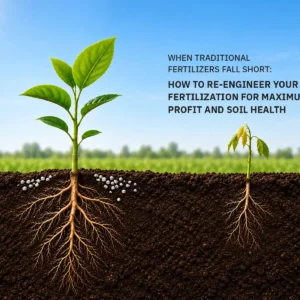
For direct use as a fertilizer, the phosphate rock must be able to hydrolyze in the soil over time to release phosphorus depending on Key factors:
• Reactivity: This is the most important factor. The more reactive the rock, the faster it will hydrolyze in the soil. Egyptian phosphate is known for its high reactivity, making it particularly effective in acidic soils.
• Particle Size: The finer the rock is ground, the larger its surface area, which accelerates the decomposition process and the release of phosphorus.
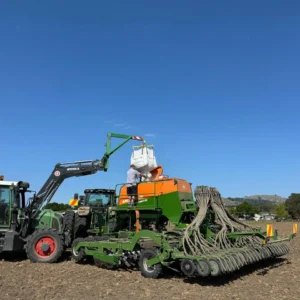
• Advantages of Granular Phosphate for Direct Application: Granular phosphate combines the benefits of natural phosphate with the properties of granular fertilizers. The granulation process makes the fertilizer easy to spread and apply mechanically, which reduces dust loss and ensures an even distribution in the field. This increases fertilization efficiency and minimizes waste.
2. Selecting Phosphate for Industrial Use (Fertilizer Production)
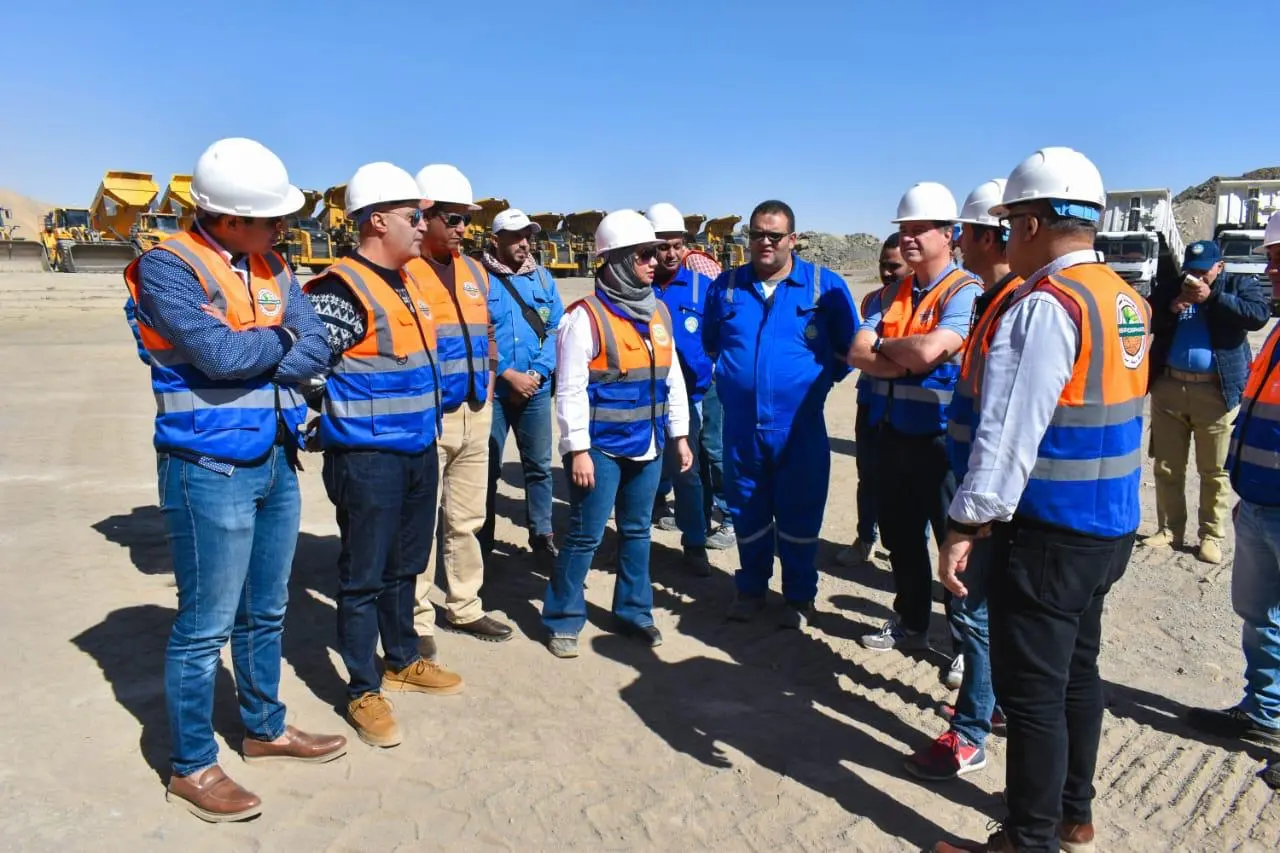
In the industry, phosphate rock is converted into water-soluble fertilizers. The priority here is the quality and concentration of the raw material.
• P₂O₅ Concentration: A high concentration of phosphorus pentoxide (P₂O₅) is the primary standard. Egyptian phosphate from many of its mines offers high P₂O₅ content.
• Impurity Levels: Impurities such as iron, aluminum oxides, and organic matter should be as low as possible. Egyptian phosphate is known for its relative purity, which ensures a more efficient manufacturing process and reduces production costs.
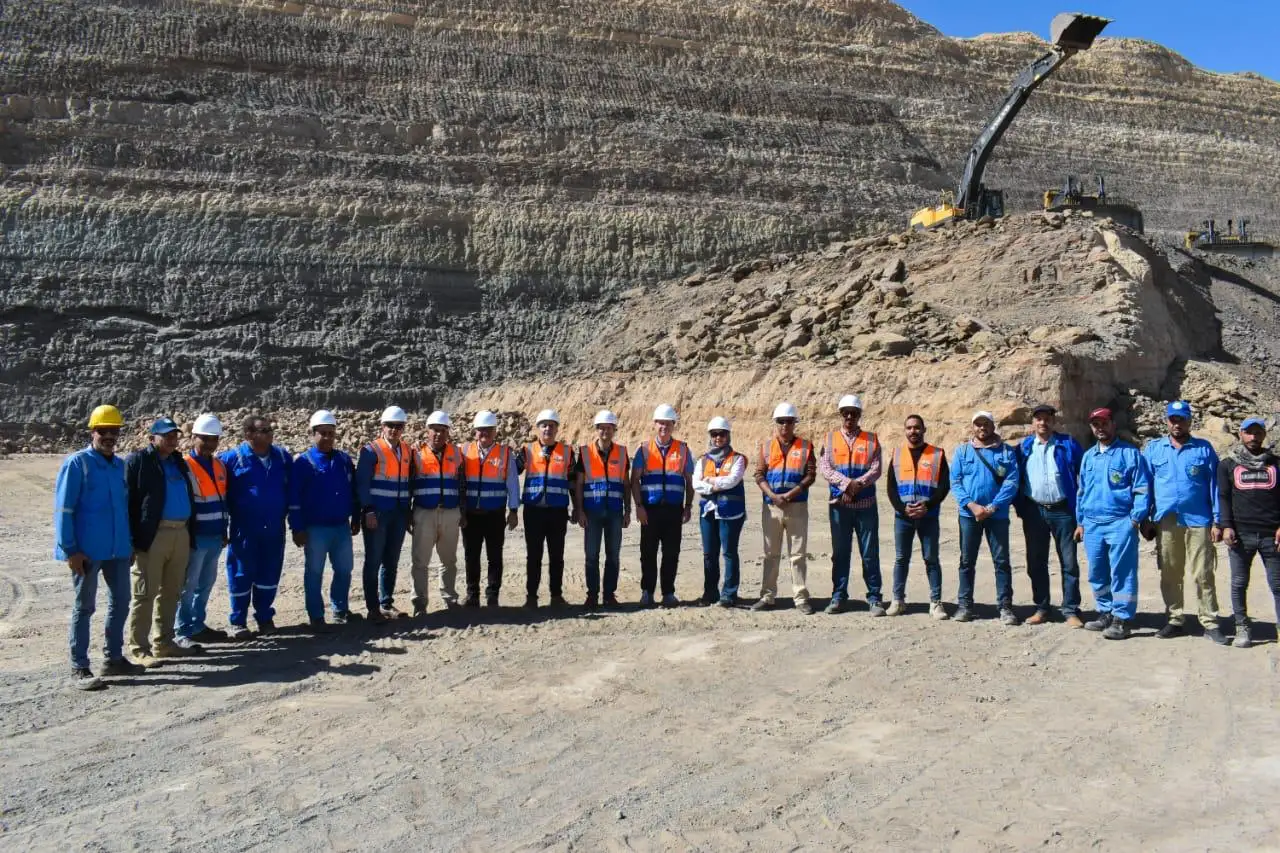
Why is Egyptian Phosphate an Ideal Choice?
Due to its unique geological composition, Egyptian phosphate combines high reactivity for direct agricultural use with a high concentration and low level of impurities for industrial use. This makes it a versatile raw material that meets the demands of both farmers and manufacturers.
Note: This article was authored by Dr. Mohamed Elsayed Abdelalim, PhD, a specialist in physical chemistry with over 15 years of experience in fertilizers industry.