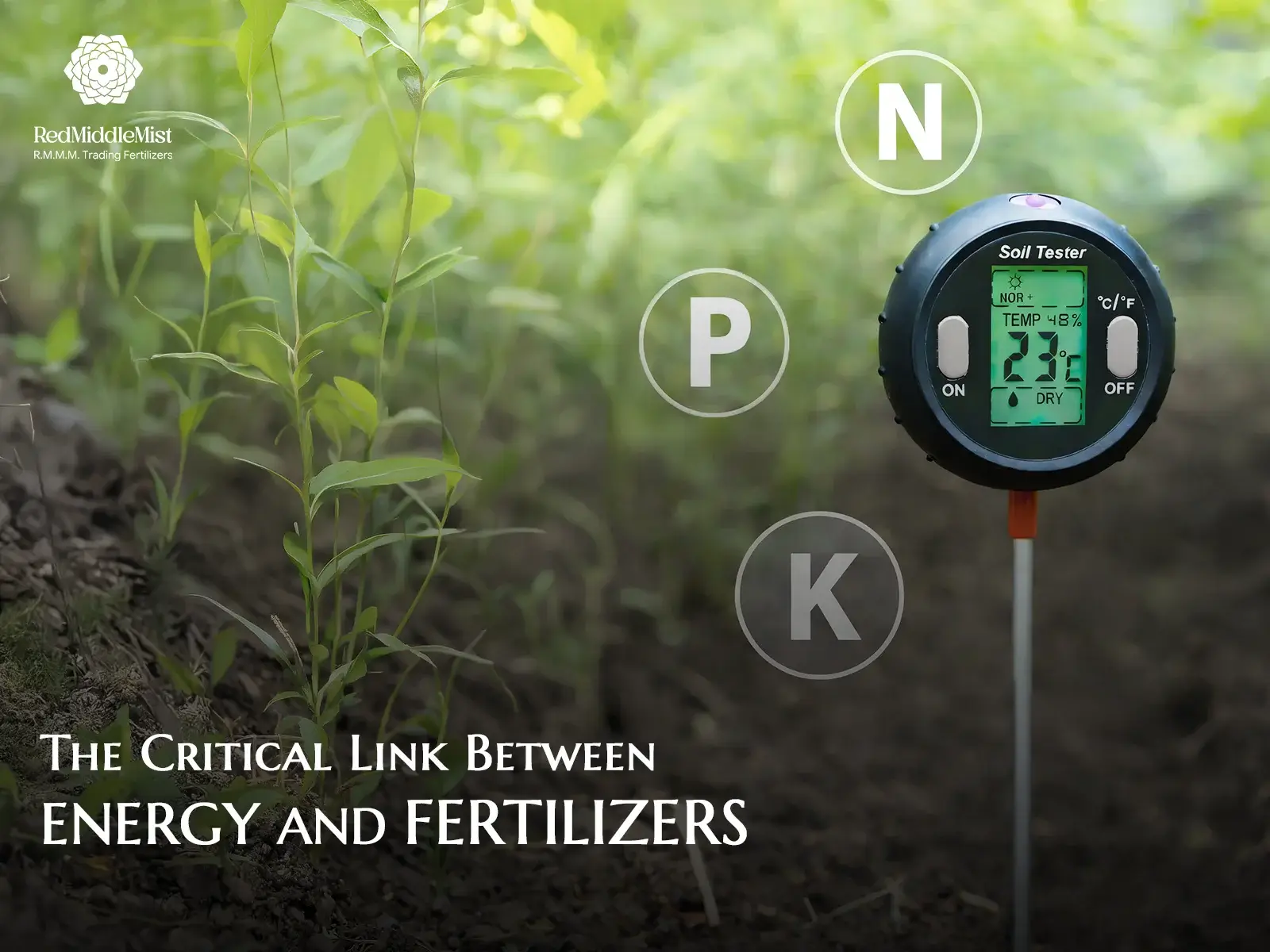
1. The Critical Link Between Energy and Fertilizers
The production of mineral fertilizers is connected to the energy sector. Nitrogen fertilizers, for example, rely on natural gas as a primary raw material to produce ammonia through the Haber-Bosch process. During a global energy crisis, the rising cost of gas or its complete shortage forces many production plants to shut down. This leads to a direct drop in supply and a sharp spike in market prices, making it harder for farmers to access essential nutrients.
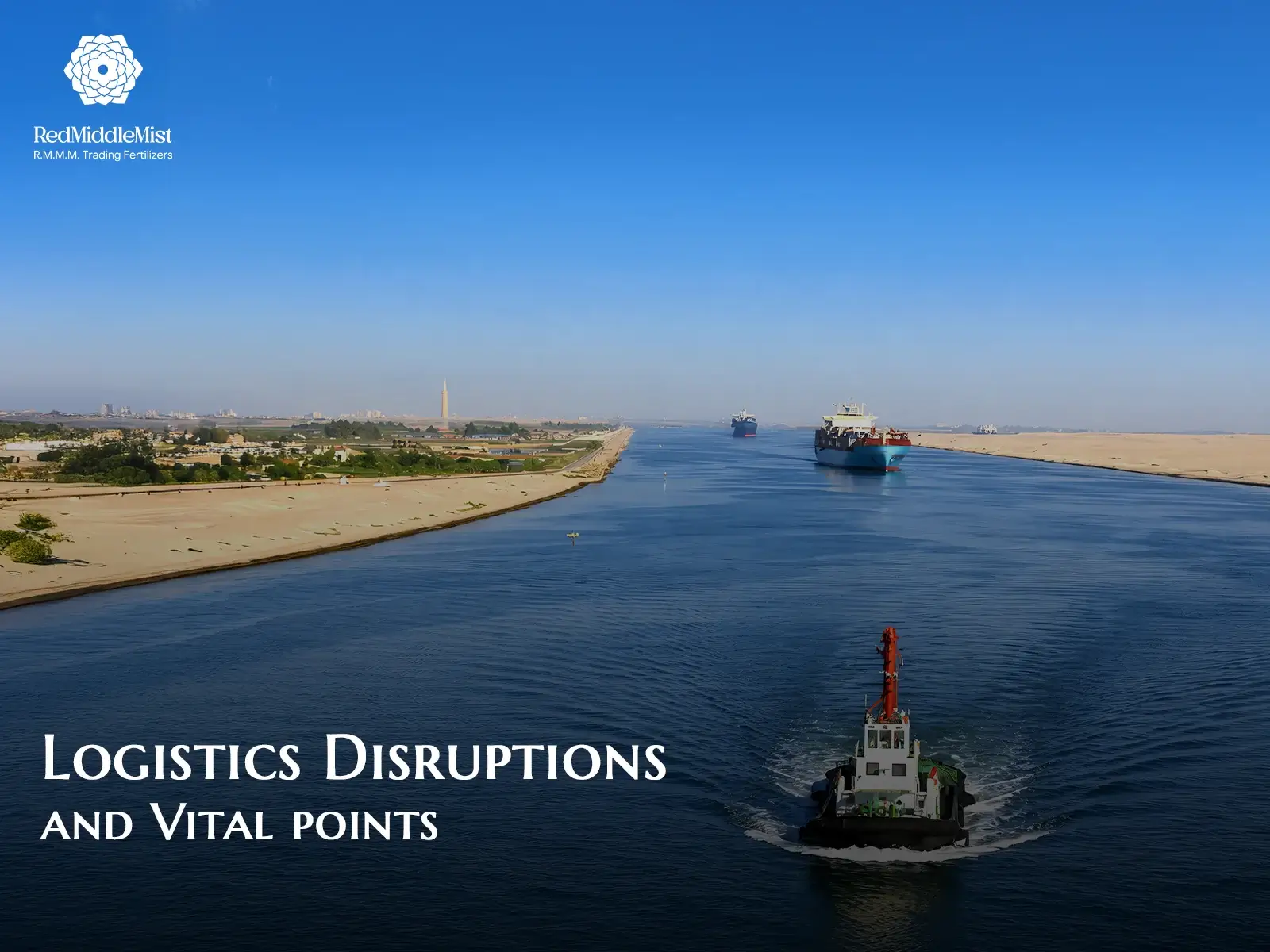
2. Logistics Disruptions and Vital Points
Fertilizer trade depends on a complex global network. Key maritime routes such as the Suez Canal and the Strait of Hormuz act as vital points for the movement of nitrogen, phosphate, and Potash fertilizers. Geopolitical tensions that threaten these passages force ships to take longer, more expensive routes (e.g., around the Cape of Good Hope). This adds significant delays and increases freight and insurance costs by over 40%. Since fertilizer production is concentrated in a few specific geographic regions, any local logistics crisis quickly ripples through the global food supply chain.
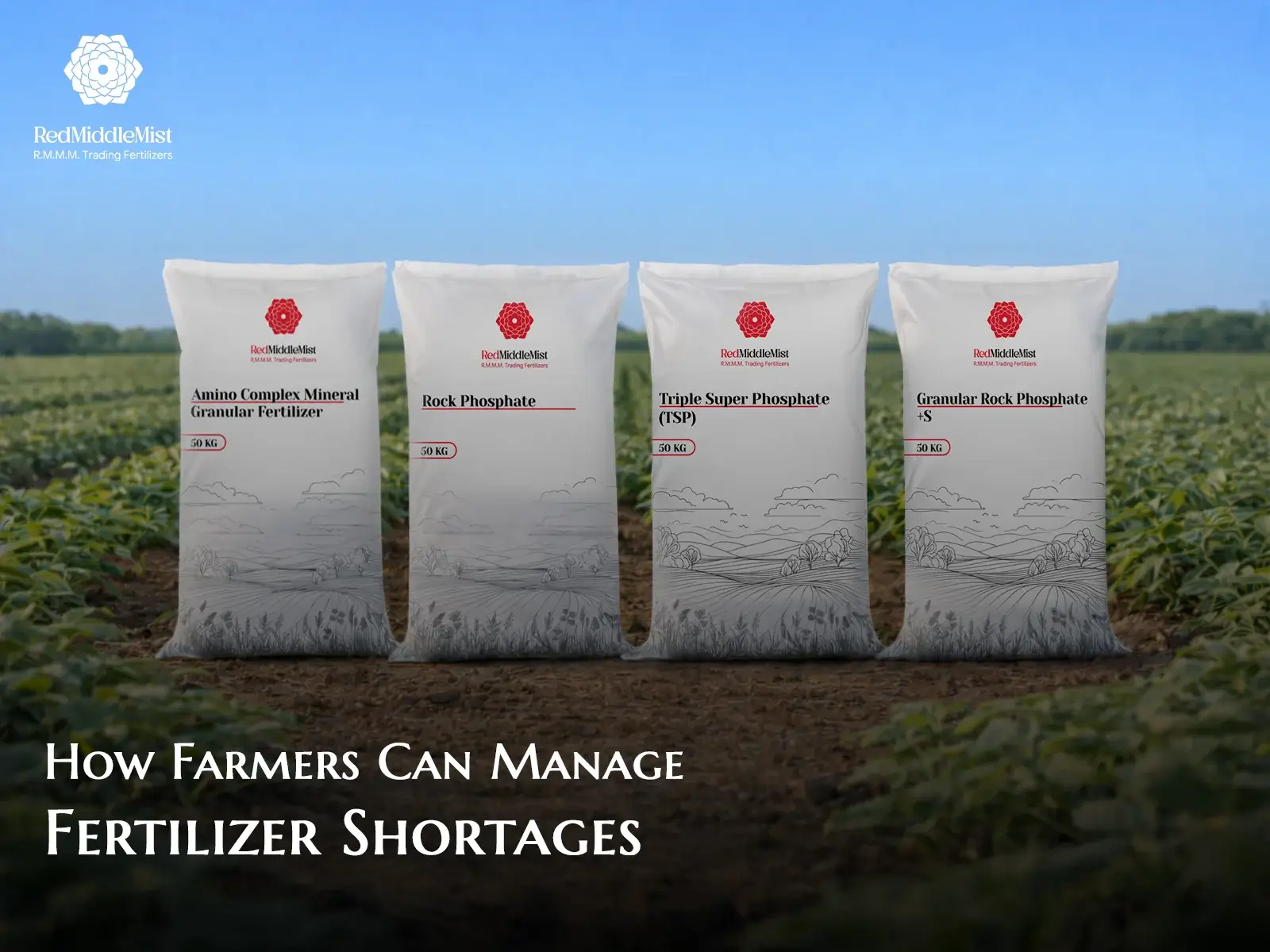
3. How Farmers Can Manage Fertilizer Shortages
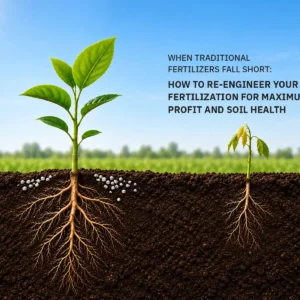
When fertilizers become rare or too expensive, the goal shifts from finding more to using what is available with maximum efficiency. Here are scientific strategies to handle the crisis:
I. Soil Analysis
Farmers cannot afford to waste one kilogram of fertilizer. A professional soil test identifies the actual levels of Macronutrients ( N, P, K ) already present. This allows for prescription application, adding only what the plant truly needs and avoiding unnecessary costs.
II. Precision Nutrition Techniques
- Band Placement: Instead of broadcasting fertilizer across the entire field, apply it directly near the root zone.
- Foliar Feeding: Using liquid sprays on the leaves can bypass soil issues. This method provides a quick fix for nutrient deficiencies during critical growth stages with very high absorption rates.
III. Organic and Biological Alternatives
- Green Manure: Planting legumes (like clover or beans) naturally enriches the soil. These plants work with Rhizobium bacteria to fix nitrogen from the air into the soil for free.
- Bio-fertilizers: Using beneficial microbes and Mycorrhizae fungi helps the roots absorb locked phosphorus and other minerals that are already in the soil but unavailable to the plant.
- Composting: Turning crop residues and animal waste into compost improves the soil’s Cation Exchange Capacity. This helps the soil hold onto chemical fertilizers longer, preventing them from washing away.
IV. The “4Rs” Global Strategy
Farmers should follow these four pillars to ensure every gram of fertilizer counts:
1. Right Source: Choose a fertilizer type that matches your soil pH.
2. Right Rate: Apply the minimum amount required for a healthy yield.
3. Right Time: Fertilize during peak demand phases, such as flowering or fruit setting.
4. Right Place: Ensure the nutrients are placed where roots can actually reach them.
Conclusion:
The current fertilizer crisis is a major challenge, but it is also an opportunity to shift toward Sustainable Agriculture. By focusing on soil health, reducing waste, and integrating biological solutions, farmers can protect their livelihoods from the volatility of global energy markets and international politics. Improving soil organic matter can reduce your dependency on chemical fertilizers by up to 30% over time by making the soil more “efficient” at holding nutrients.
Note: This article was authored by Dr. Mohamed Elsayed Abdelalim, PhD, a specialist in physical chemistry with over 15 years of experience in the fertilizer industry
Available in 50 kg bags, jumbo bags ( with/without palette ), bulk in a container