

From Factory Waste to High-Efficiency Fertilizer
Sugar and juice processing plants generate millions of tons of organic by-products annually. Far from being simple waste, these materials represent a vital chemical and biological treasure. Modern biotechnological and chemical processes now allow for the extraction of plant nutrients in both liquid and solid forms, providing a powerful, sustainable alternative to conventional mineral fertilizers. These bio- based inputs not only match the efficiency of synthetic fertilizers but often surpass them in supporting long-term environmental health.
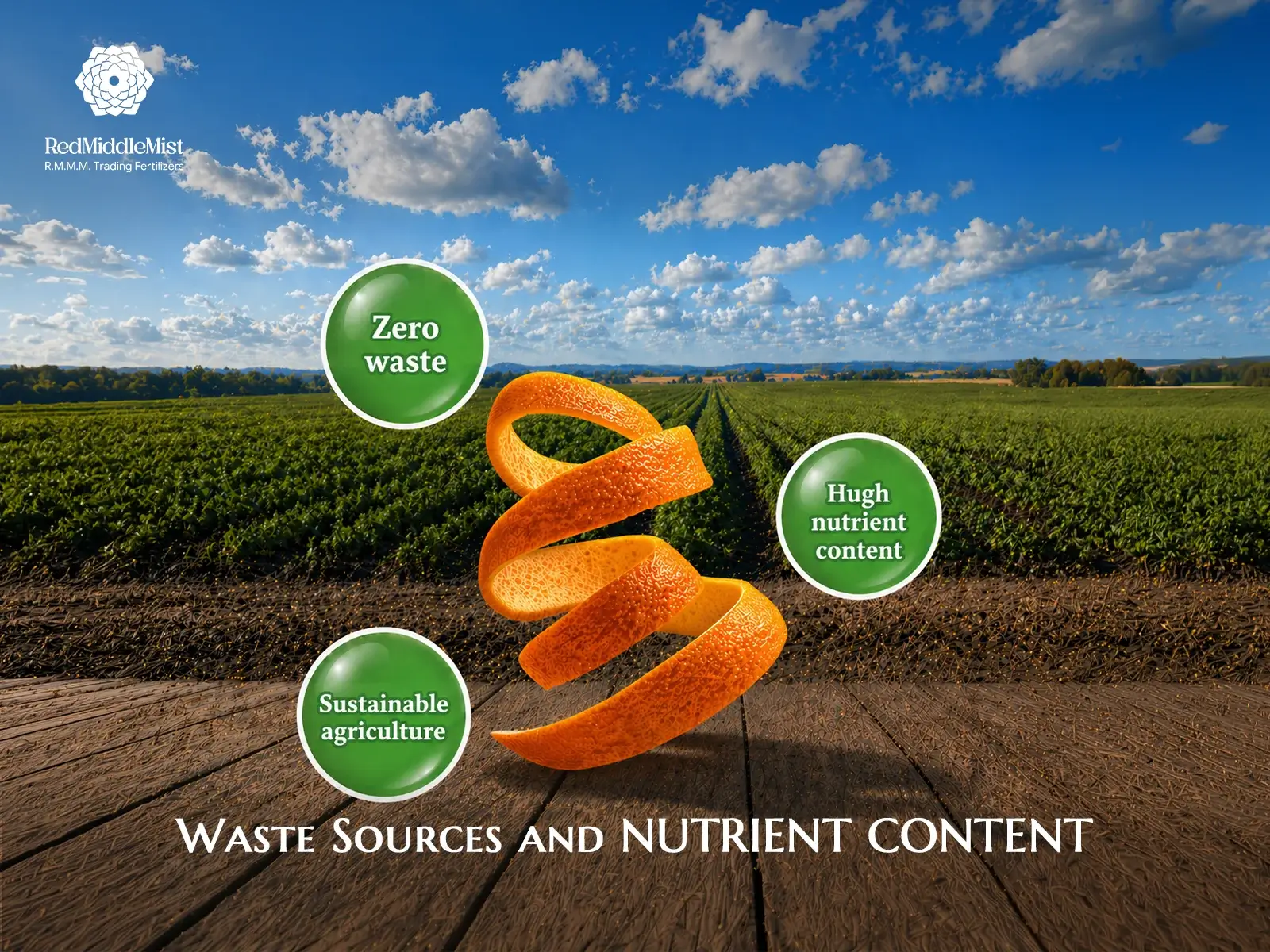
I. Waste Sources and Nutrient content
Agricultural by-products vary significantly in their nutritional and organic content depending on their source:
- Sugar Cane Factories: Produce solid wastes (Bagasse and Filter Cake) rich in Phosphorus, Calcium, Cellulose, and stable organic matter.
- Sugar Beet Factories: Their liquid and solid residues are excellent sources of natural sugars, amino acids, micronutrients, and high- quality organic carbon.
- Juice Factories: Their primary value lies in the extraction of organic acids, vitamins, and essential micronutrients from peels and pulp.
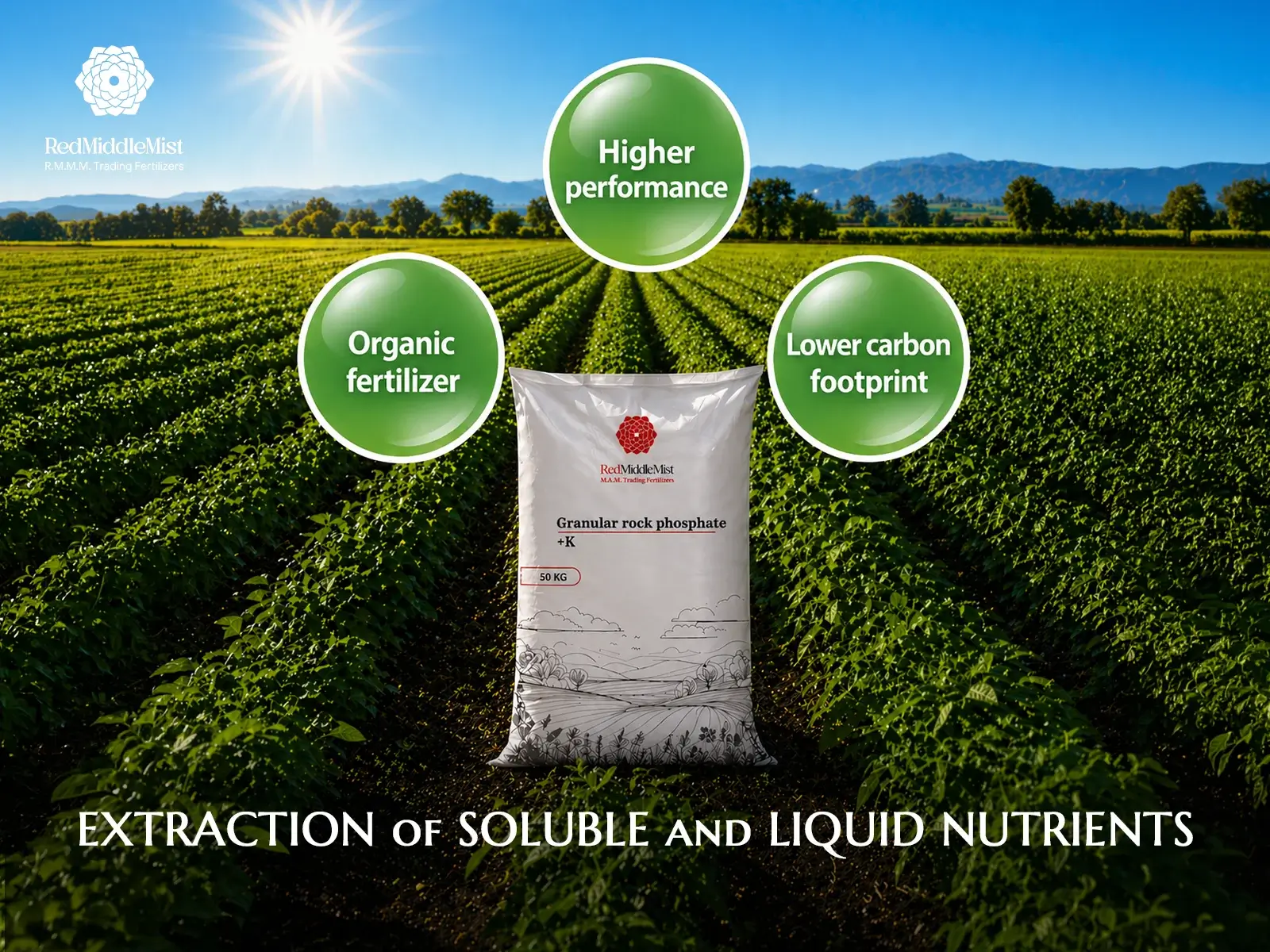
II. Extraction of Soluble and Liquid Nutrients
This technology focuses on treating liquid effluents (like molasses) or wet residues (like beet pulp and fruit peels) to produce high-absorption compounds:
- Amino Acids and Bio-stimulants: Through hydrolysis or controlled fermentation of the plant proteins in beet waste, free amino acids are extracted. These act as natural chelates for nutrients and significantly enhance the plant’s ability to withstand thermal and salinity stress.
- Liquid Carbon Extracts: Molasses and fruit processing residues contain complex and simple sugars. Once processed, they serve as a rapid carbon source that fuels beneficial soil bacteria, effectively activating the biological cycle around the root zone.
- Natural Chelating Agents: Juice factory waste, particularly from citrus, is rich in organic acids like citric acid. These are used to formulate liquid fertilizers where micronutrients (Iron, Zinc, Manganese) are bound in a chelated form, making them easily absorbable through both leaves and roots.
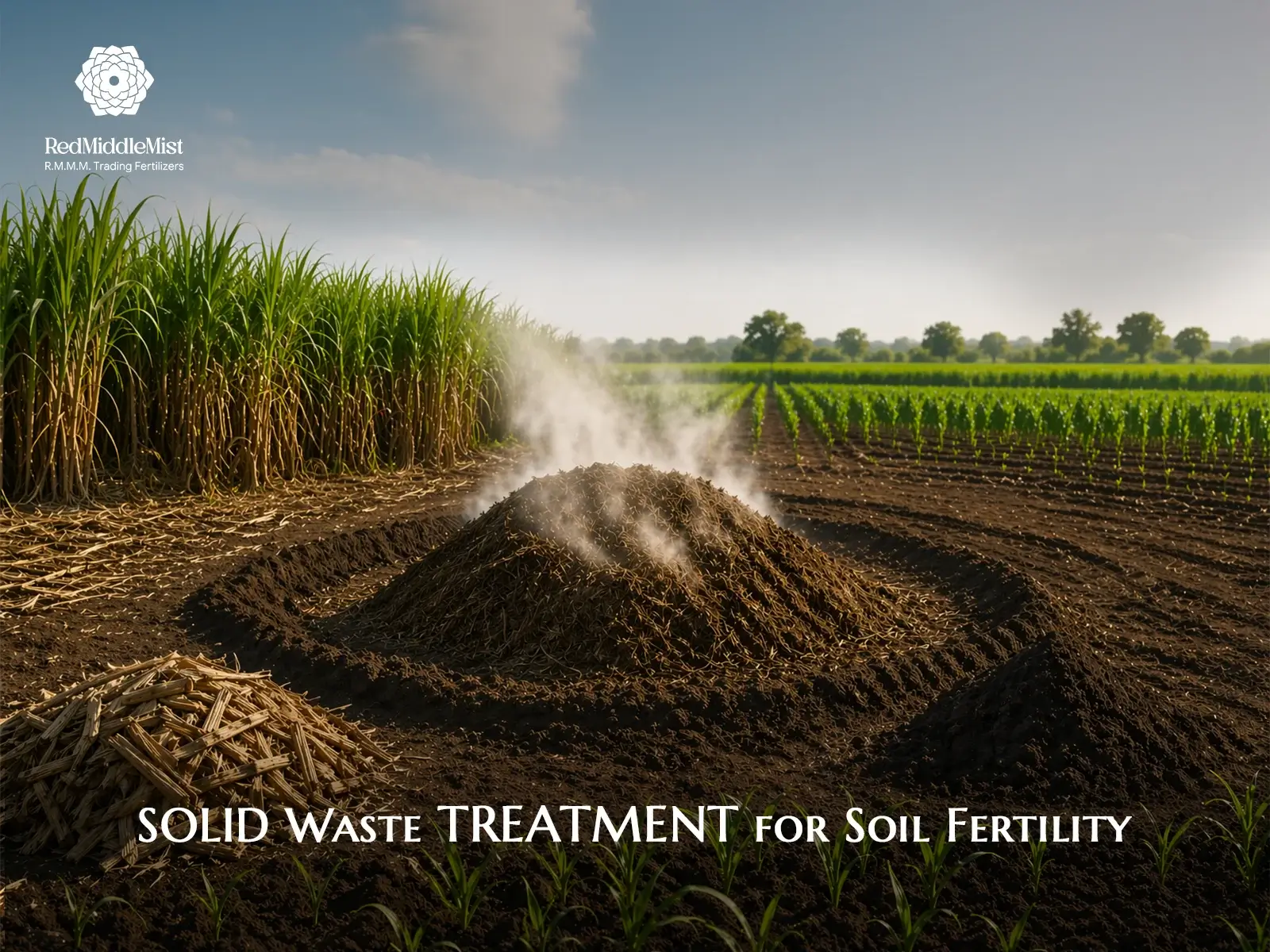
III. Solid Waste Treatment for Soil Fertility
Solid residues, such as sugarcane bagasse and filter cake, undergo controlled aerobic fermentation to produce premium organic soil conditioners:
- Humus Building: Microbial treatment of cellulosic waste converts it into stable organic matter. This increases the soil’s Cation Exchange Capacity (CEC), allowing the soil to retain nutrients more effectively and preventing them from leaching away with irrigation water.
- Physical Property Improvement: These solid inputs improve the structure of sandy soils by increasing water retention, while also breaking down heavy clay soils to improve aeration and root penetration.

IV. Integration and Economic Impact
The synergy between liquid forms (for rapid intervention via foliar or drip irrigation) and solid forms (for long-term soil health) can reduce the need for synthetic fertilizers by up to 40% in certain crops. This achieves a “Zero Waste” model, lowering production costs by replacing expensive imports with high-quality local alternatives while protecting the environment from the pollution caused by waste accumulation or burning.
Technical Summary:
The core strength of treated waste-based fertilizers lies in their ability to provide not just nutrients, but “Bio-Energy” in the form of carbon and organic acids. This makes them the premier choice for modern, sustainable, and organic agriculture.
Note: This article was authored by Dr. Mohamed Elsayed Abdelalim, PhD, a specialist in physical chemistry with over 15 years of experience in the fertilizer industry
Available in 50 kg bags, jumbo bags ( with/without palette ), bulk in a container


