Phosphate rock is a naturally occurring mineral rich in phosphorus, an essential nutrient for plant growth. However, in its raw form, much of this phosphorus is insoluble and unavailable to plants, making it an inefficient direct fertilizer.
To unlock its full potential, raw phosphate rock must undergo both biological and physical processing to improve solubility, nutrient release, and overall fertilizer performance.
Optimizing Phosphate Rock for Fertilizer Efficiency
One of the most effective methods to enhance phosphorus availability is through biological activation. When elemental sulfur is introduced into the soil, specific microorganisms, such as Thiobacillus bacteria, oxidize it into sulfuric acid.
This acid significantly lowers the pH level in the micro environment surrounding the phosphate rock particles, which in turn increases the solubility of the phosphorus compounds.
This process offers a dual benefit. Not only does it make the phosphorus readily accessible to plants, but it also stimulates the overall microbial activity within the soil.
This leads to improved absorption of other nutrients and contributes to better long-term soil health.
1- Biological Activation Using Elemental Sulfur
One of the most effective ways to enhance phosphorus availability is through biological activation.
When elemental sulfur is introduced into the soil, specific microorganisms, such as Thiobacillus bacteria, oxidize it into sulfuric acid. This acid lowers the pH level in the microenvironment surrounding the phosphate rock particles, which in turn increases the solubility of the phosphorus compounds.
This process offers a dual benefit:
- Makes phosphorus more readily available to plants
- Stimulates microbial activity, improving nutrient absorption and contributing to long-term soil health
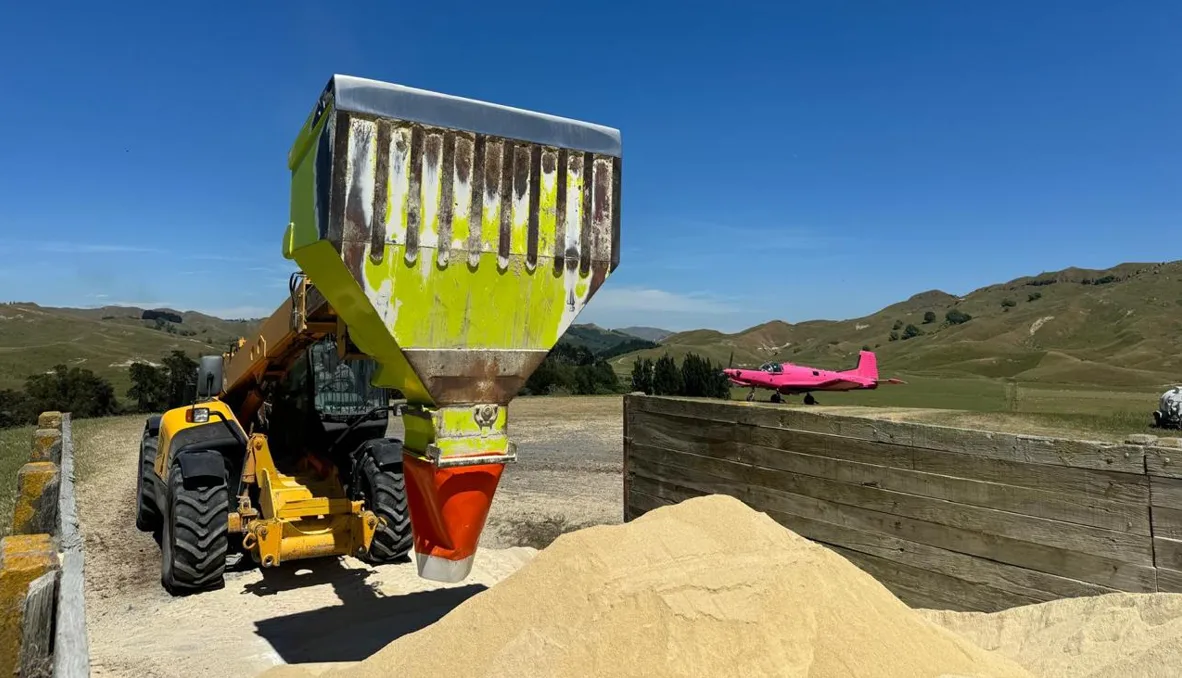
2- Physical Processing of Phosphate Rock
The physical properties of phosphate rock directly affect its performance as a fertilizer. The larger the surface area of the rock particles, the faster the phosphorus is released and utilized.
- Fine Grinding
The first essential step is to grind the phosphate rock into a very fine powder, typically less than 100 microns. This significantly increases the surface area, enhancing its interaction with soil acids and microbes, and accelerates the rate at which phosphorus becomes available to plants.
- Granulation
After grinding, the fine powder is processed into small, uniform granules. Though this may seem counterintuitive, granulation provides several practical benefits:
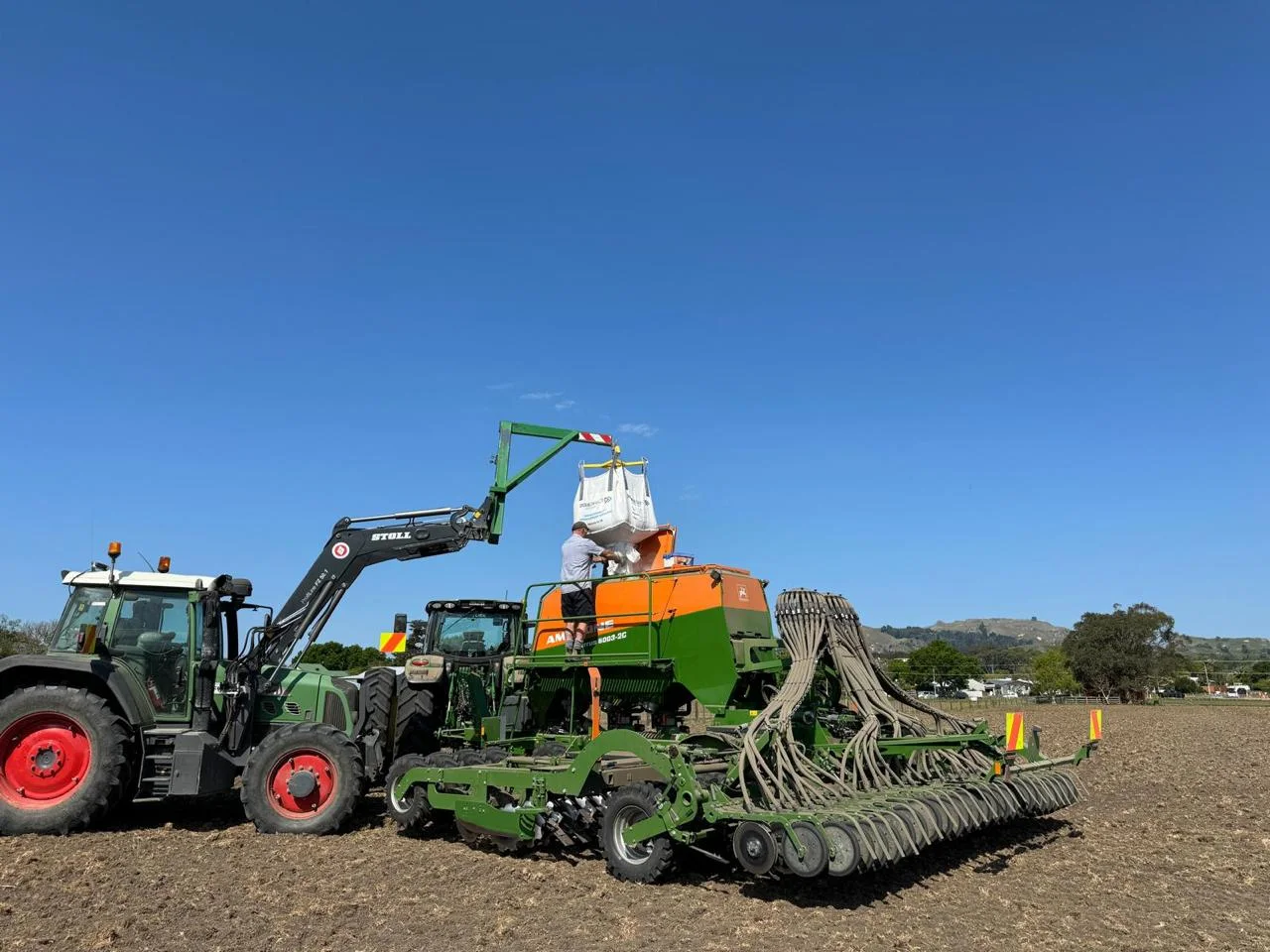
- Ease of Application: Granular fertilizers are easier to handle and apply with mechanical spreaders, ensuring more uniform field coverage.
- Reduced Loss: Granulation minimizes wind drift, ensuring phosphorus reaches the plant’s root zone.
- Sustained Release: Granules dissolve gradually, providing a steady supply of phosphorus throughout the growing season.
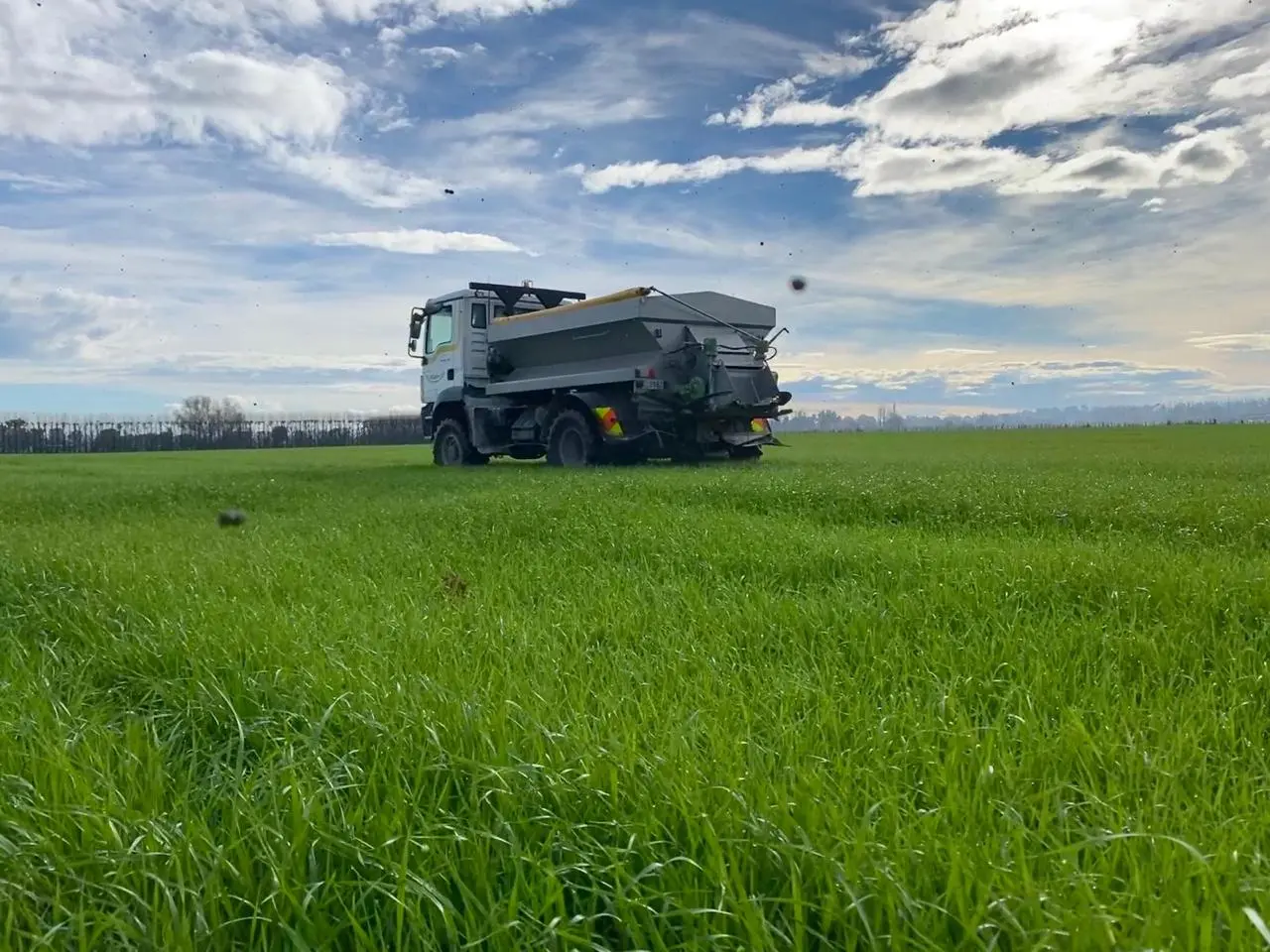
A Combined Approach for Optimal Fertilizer Efficiency
By integrating both the biological activation (using elemental sulfur) and the physical processing methods (grinding and granulation), raw phosphate rock can be effectively converted into a highly efficient fertilizer.
This approach maximizes phosphorus utilization, enhances soil health, and boosts agricultural productivity while minimizing nutrient waste.
Ready to place your order for Egyptian phosphate rock?
RMMM is a trusted exporter and trading partner, supplying consistent, high-grade phosphate rock to clients worldwide. With a commitment to quality and reliability, we help you meet your production goals with confidence.
Just fill out the form & contact RMMM today to learn more or request a quote.
Note: This article was authored by Dr. Mohamed Elsayed Abdelalim, PhD, a specialist in physical chemistry with over 15 years of experience in fertilizers industry.