Introduction:
Phosphorus (P) is a vital nutrient for plant growth, acting like an energy engine that makes plants strong and healthy. While phosphate rock serves as a natural source of
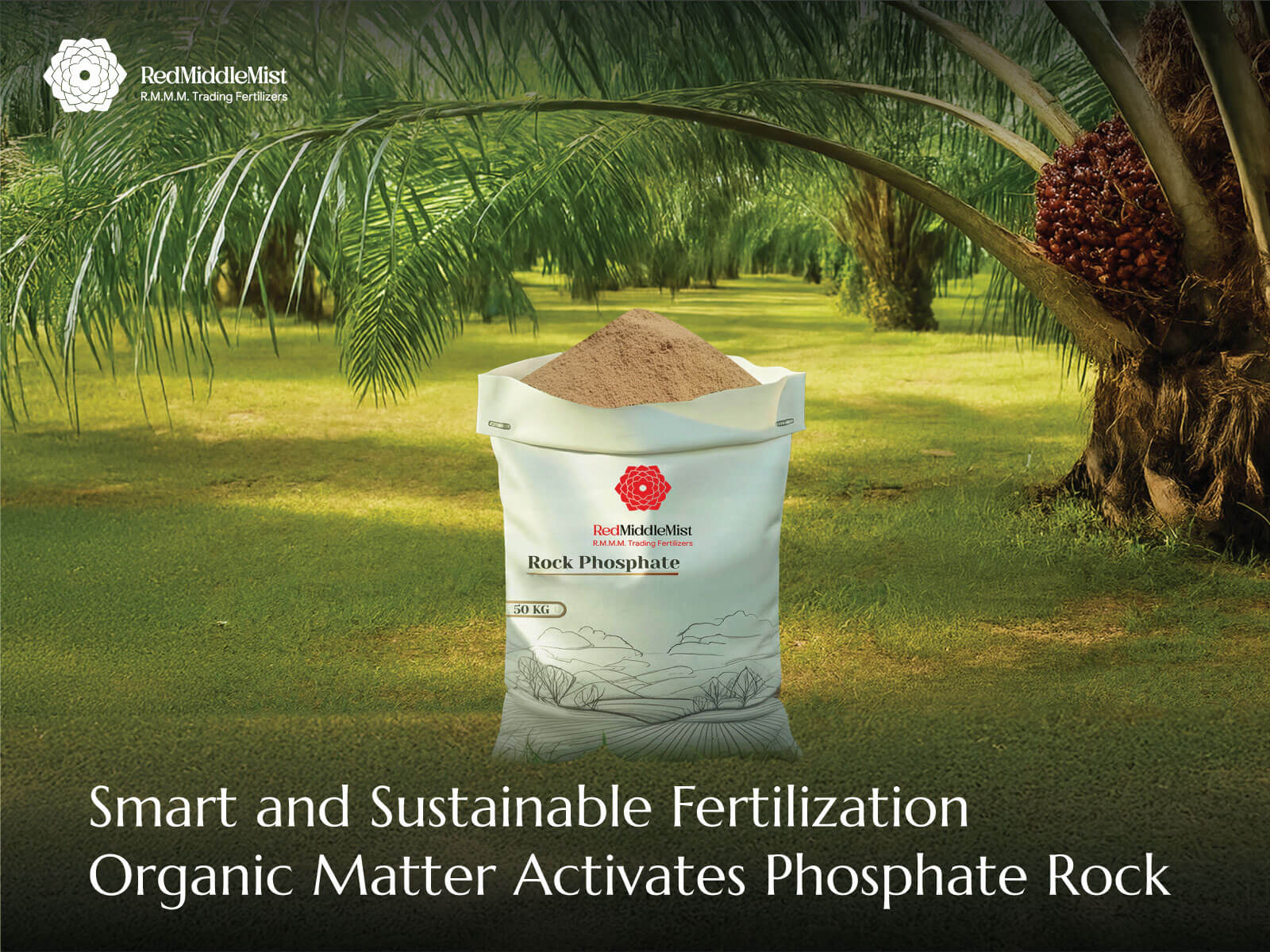
This element, with its low solubility, presents a significant challenge, limiting its availability to plants. This article reveals a revolutionary and sustainable solution to this challenge. We’ve created an innovative chemical method that uses acid-hydrolyzed organic matter from plants to activate phosphate rock. The result? A unique fertilizer that enhances soil fertility and makes phosphorus readily available to plants, giving them a powerful boost for growth and productivity. This process not only increases phosphorus availability but also helps reduce P fixation by other elements, ensuring it remains accessible to plants for a longer period. This method is an environmentally friendly solution that reduces reliance on chemically manufactured phosphate fertilizers. It’s a scientifically sound and practical approach to providing a sustainable and efficient phosphorus source for agriculture
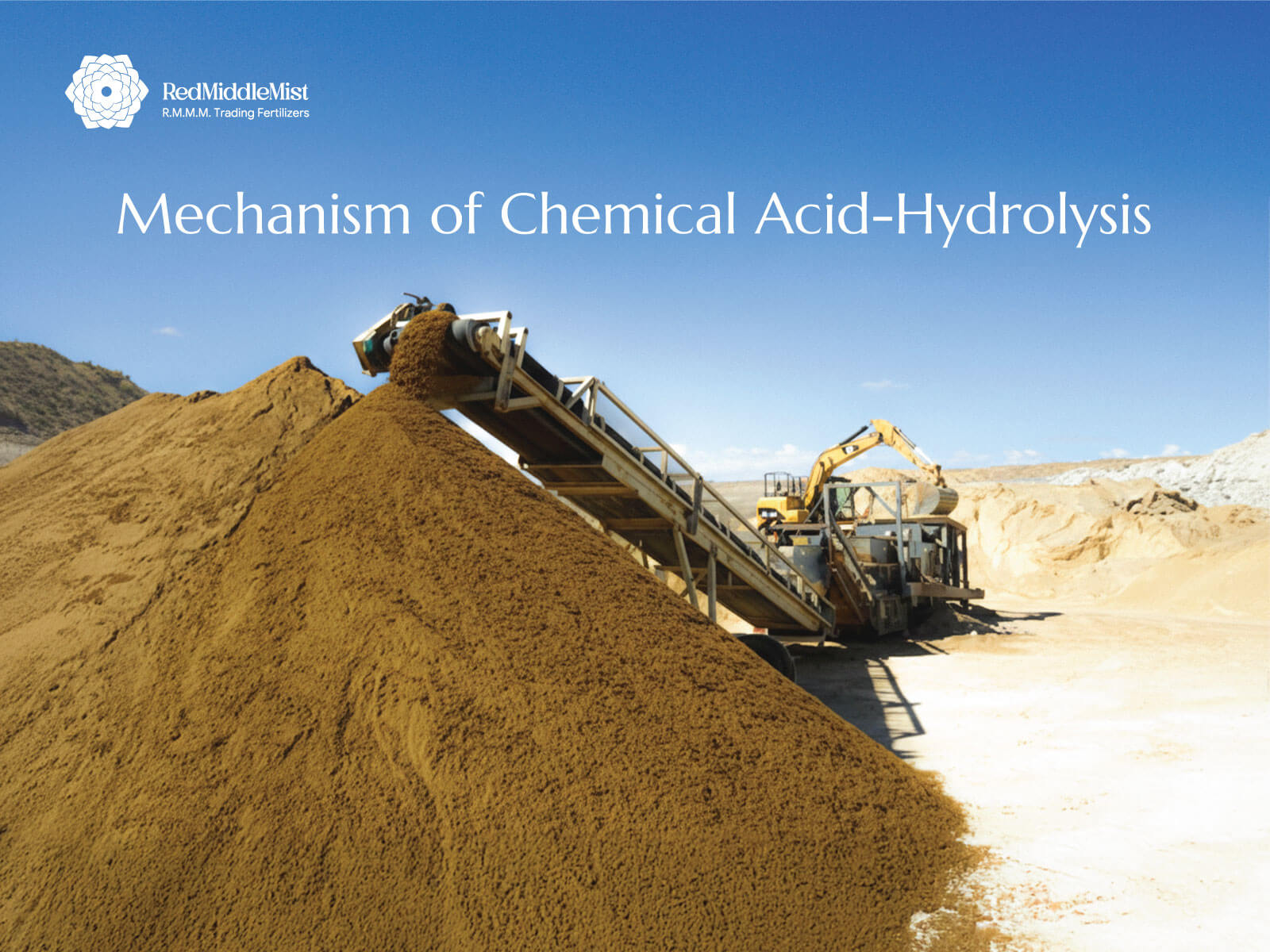
Mechanism of Chemical Acid-Hydrolysis
The process relies on a controlled chemical reaction between mineral acids and plant-based organic matter. This reaction is designed to convert complex organic compounds into a fully decomposed form, rich in low-molecular-weight organic acids.
- Organic Matter Hydrolysis: The mineral acids react with the plant material, leading to an acid-hydrolysis process. This reaction produces acidic organic compounds, such as humic, fulvic acids, and amino acids, which are known for their ability to react with mineral elements.
- Phosphate Rock Activation: When the product of this acid-hydrolysis is mixed with phosphate rock, the newly formed organic acids act as chelating agents. They react with the calcium (Ca) ions within the phosphate rock crystals, effectively breaking down the crystalline structure. This process releases the phosphate ion (PO43−), making it available for plant root absorption.
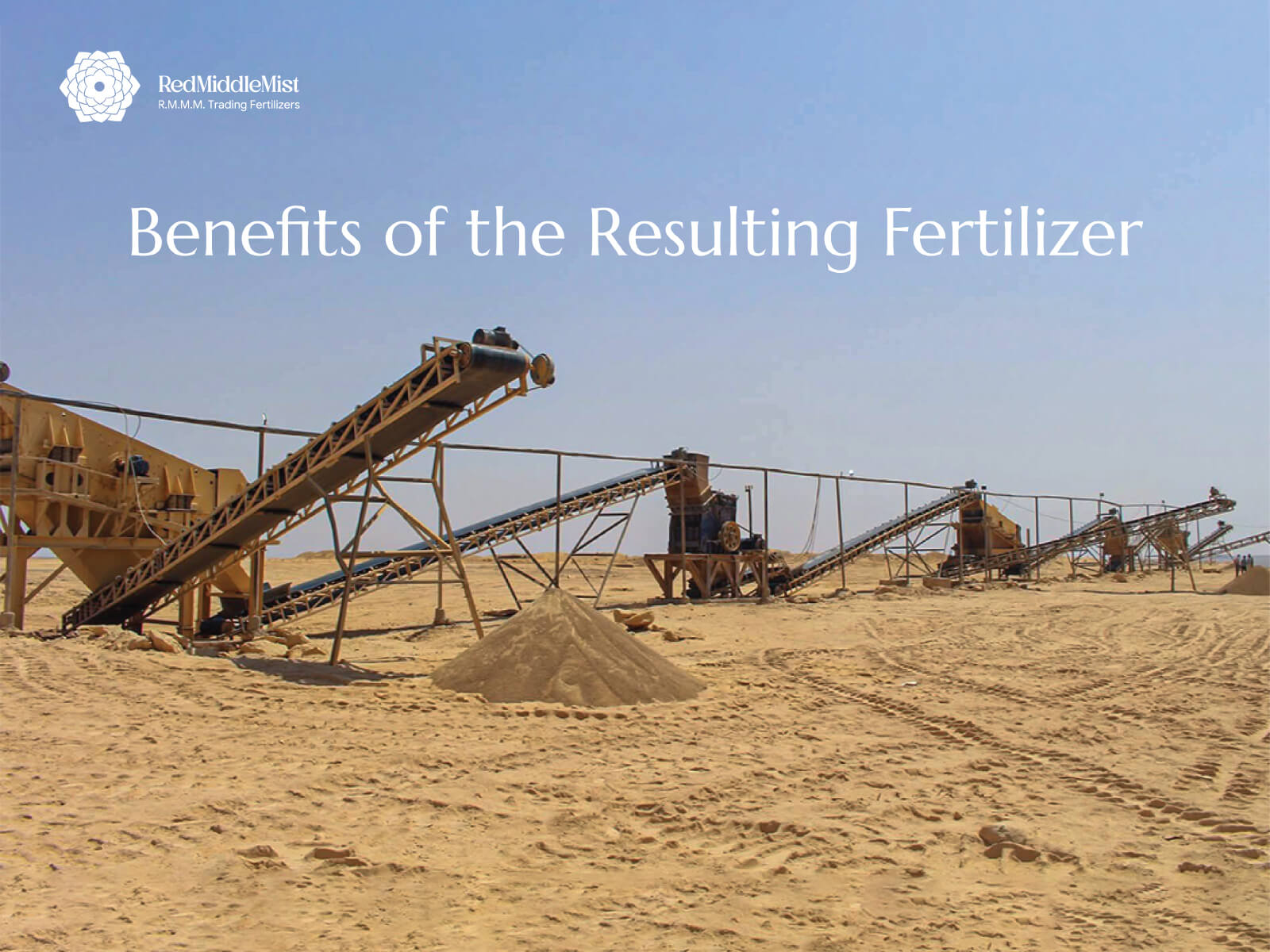
Benefits of the Resulting Fertilizer
The final product, a blend of activated phosphate rock and acid-hydrolyzed organic matter, offers several advantages:
- Increased Phosphorus Bioavailability: It significantly enhances the plant’s ability to utilize phosphorus from natural phosphate rocks, boosting nutrient uptake efficiency.
- Improved Soil Physical Properties: The decomposed organic matter contributes to better soil structure, increased aeration, and improved water and nutrient retention capacity.
- Environmentally Friendly Solution: This method reduces reliance on chemically manufactured phosphate fertilizers, contributing to sustainable agriculture and a smaller environmental footprint.
Conclusion: An Investment in the Agricultural Future
This product is not just a fertilizer; it’s a new beginning in the world of agriculture. Activating phosphate rock with organic matter offers a practical and effective solution that provides plants with the best, most environmentally friendly source of phosphorus. Choose the smart and sustainable solution that not only nourishes plants but also contributes to building healthy, fertile soil that lasts. This product is the farmer’s gateway to higher productivity and a more sustainable agricultural future.
Note: This article was authored by Dr. Mohamed Elsayed Abdelalim, PhD, a specialist in physical chemistry with over 15 years of experience in the fertilizer industry