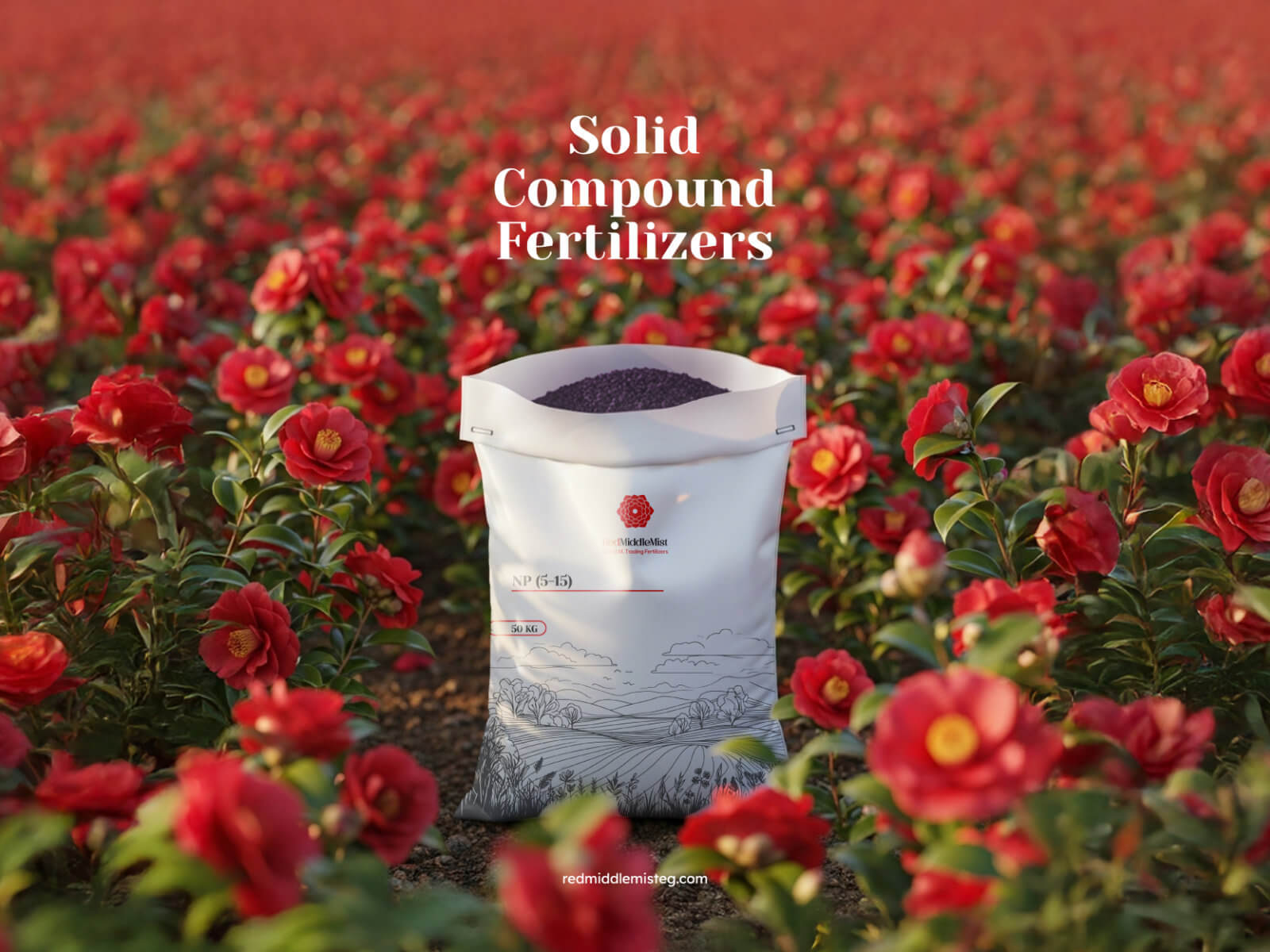
Solid compound fertilizers are a cornerstone of modern fertilization systems, delivering essential nutrients (Nitrogen, Phosphorus, Potassium) and sometimes micronutrients in a balanced formulation. However, their activity and environmental efficiency are largely determined by their water solubility, which divides them into two main categories: highly water-soluble and partially or slow-soluble fertilizers.
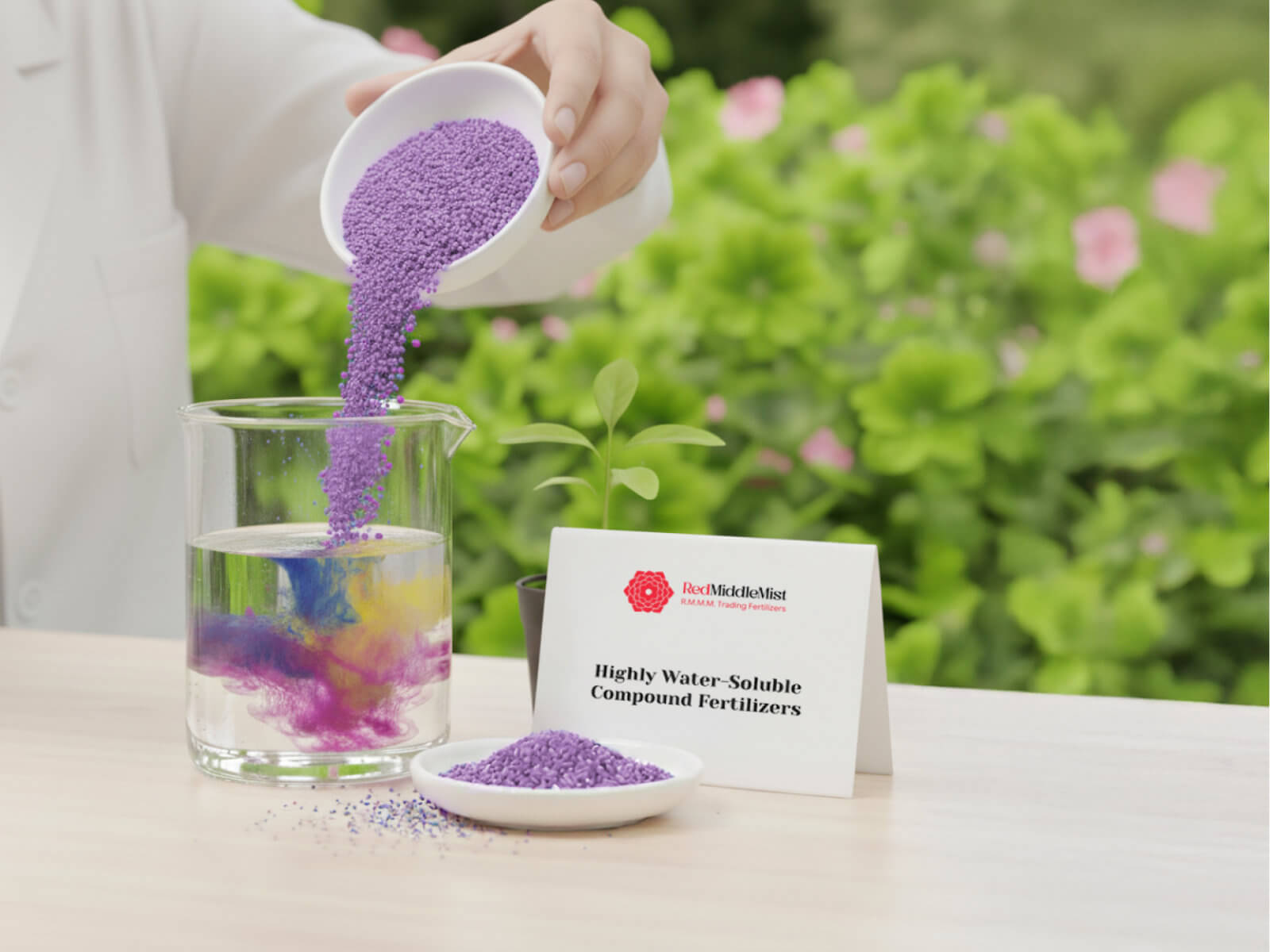
1- Highly Water-Soluble Compound Fertilizers
These are manufactured to be completely soluble in water, making them ideal for use in modern irrigation systems such as drip and sprinkler systems. They are commonly known as Fertigation Fertilizers.
Advantages:
- Rapid Absorption and Quick Response: Since nutrients convert into immediately absorbable ions upon dissolution, these fertilizers provide an instant remedy for acute and sudden nutrient deficiencies, ensuring a swift plant response.
- Precision in Feeding: They allow for accurate control over the quantity and ratio of nutrients delivered directly to the root zone, strongly supporting the concept of Precision Agriculture.
- High Efficiency in Irrigation Systems: They are used highly efficiently in fertigation systems, ensuring uniform nutrient distribution.
Disadvantages and Challenges:
- High Leaching Risk: Their easy solubility is a double-edged sword. In light (sandy) soils or under excessive irrigation, these fertilizers are susceptible to rapid leaching, carrying nutrients away from the root zone, reducing use efficiency, and increasing the potential for groundwater contamination.
- Poor Soil Retention: The soil does not retain these fertilizers for long, requiring frequent, closely spaced applications to ensure a continuous supply.
- Salinity Impact: Repeated application of large quantities may temporarily increase soil salinity in the root zone.
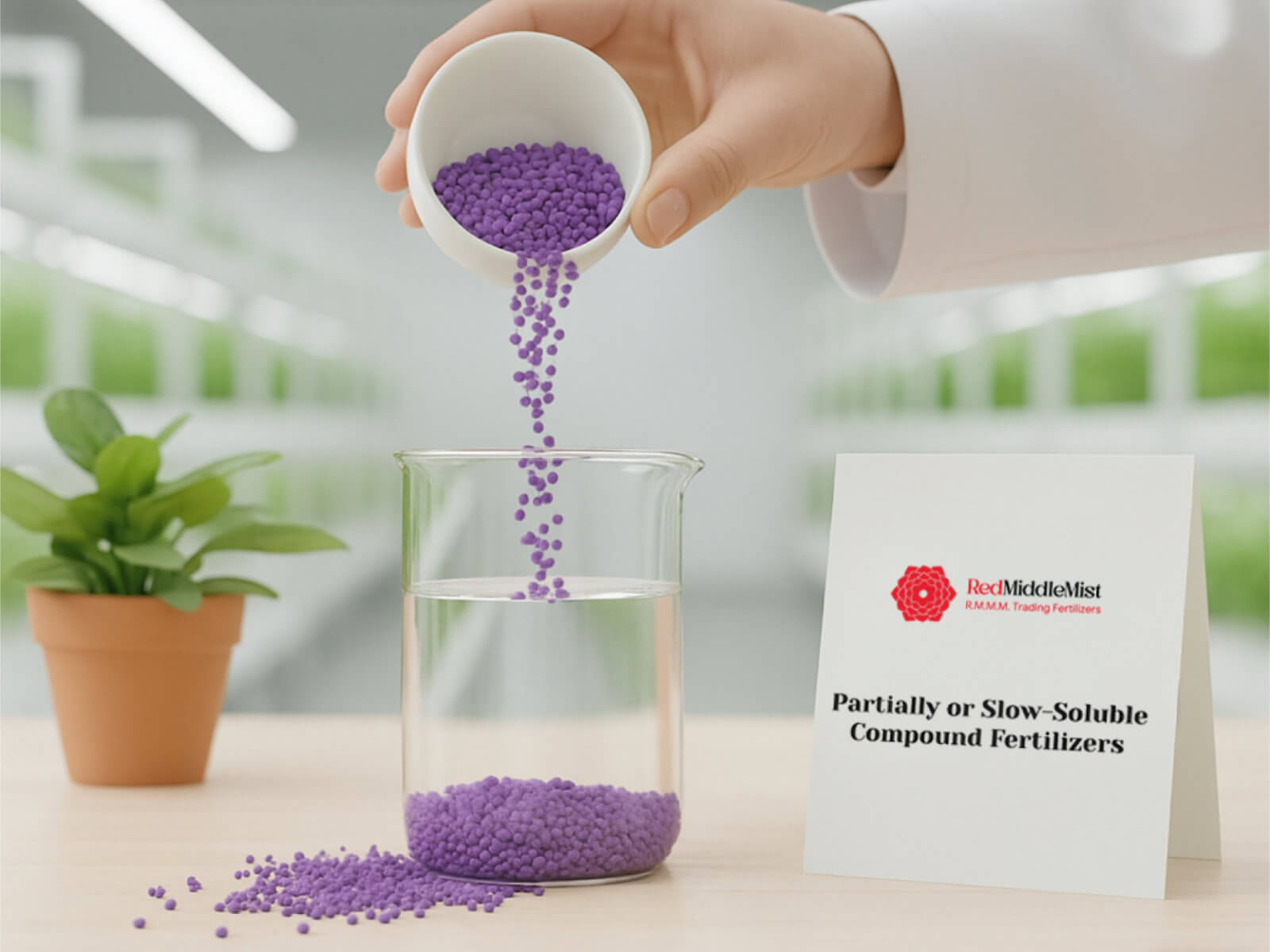
2- Partially or Slow-Soluble Compound Fertilizers
This group includes fertilizers with compounds or coatings that ensure slow and limited dissolution (e.g., some slow-release fertilizers or those containing partially water-insoluble phosphates).
Advantages:
- Extended and Sustained Release: Slow-dissolving fertilizers provide a steady, controlled supply of nutrients over a prolonged growth period, reducing the number of applications and minimizing nutrient loss.
- Environmental Benefit: The rate of leaching is significantly lower compared to highly soluble types, supporting environmental sustainability.
- Suitability for Specific Soils: Their slower release makes them ideal for soils with low nutrient retention (like sandy soils) or for certain high-CEC soils. Furthermore, the efficacy of some non-soluble compounds, such as rock phosphate, is particularly high in acidic soils, where increased acidity enhances phosphorus release.
Challenges:
- Slow Response: They are unsuitable for treating acute, emergency nutrient shortages because nutrient release takes a longer time.
- Higher Initial Cost: Slow-release compound fertilizers may have a higher upfront cost compared to traditional, fast-dissolving fertilizers.
Conclusion
The correct selection of a solid compound fertilizer must be based on a comprehensive assessment of the plant’s nutritional needs, the soil’s characteristics (pH and retention capacity), and the specific irrigation system being used.
Note: This article was authored by Dr. Mohamed Elsayed Abdelalim, PhD, a specialist in physical chemistry with over 15 years of experience in fertilizers industry