


The Science of Tailor-Made Compound Fertilizers
In modern agriculture, Nitrogen-Phosphorus (NP) compound fertilizers are more than just nutrients; they are engineered solutions designed to bridge the gap between industrial efficiency and field productivity. By combining the most cost-effective raw materials with advanced chemical tailoring, manufacturers can create a fertilization system that ensures sustainable soil health and high crop yields.
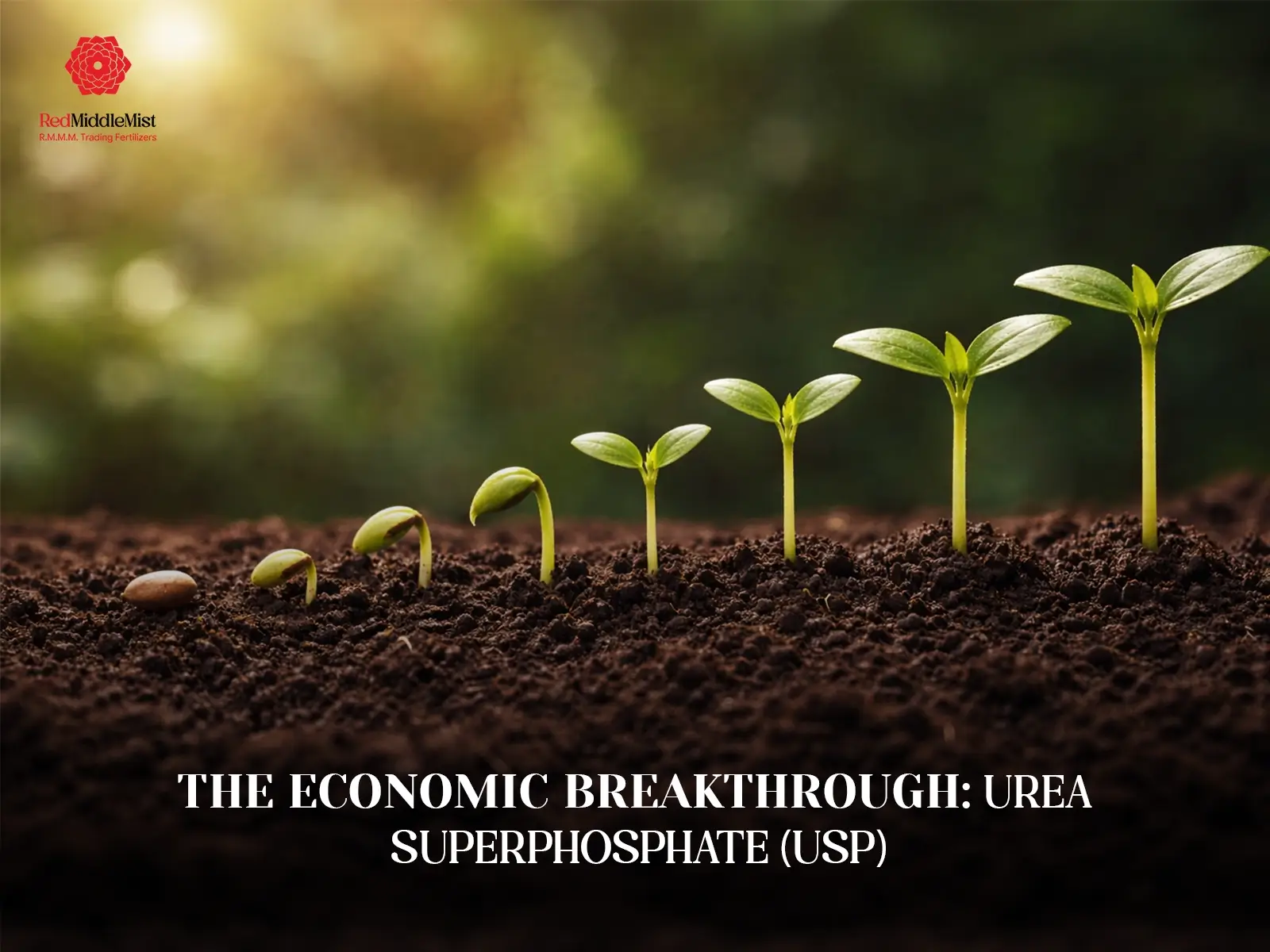
The Economic Breakthrough: Urea Superphosphate (USP)
A prime example of cost-effective innovation is Urea Superphosphate. While many fertilizers rely on expensive processed ingredients, USP is synthesized from the most affordable sources available Urea (the cheapest nitrogen source) and Rock Phosphate (the most economical phosphorus source). Unlike highly water-soluble fertilizers like MAP (Monoammonium Phosphate) or DAP (Diammonium Phosphate), Urea Superphosphate is characterized by its lower solubility. This physical property is a strategic advantage; it acts as a “slow-release” agent, preventing nutrients from being washed away by irrigation or lost to the atmosphere, thereby providing the plant with a steady supply of energy throughout its growth cycle.
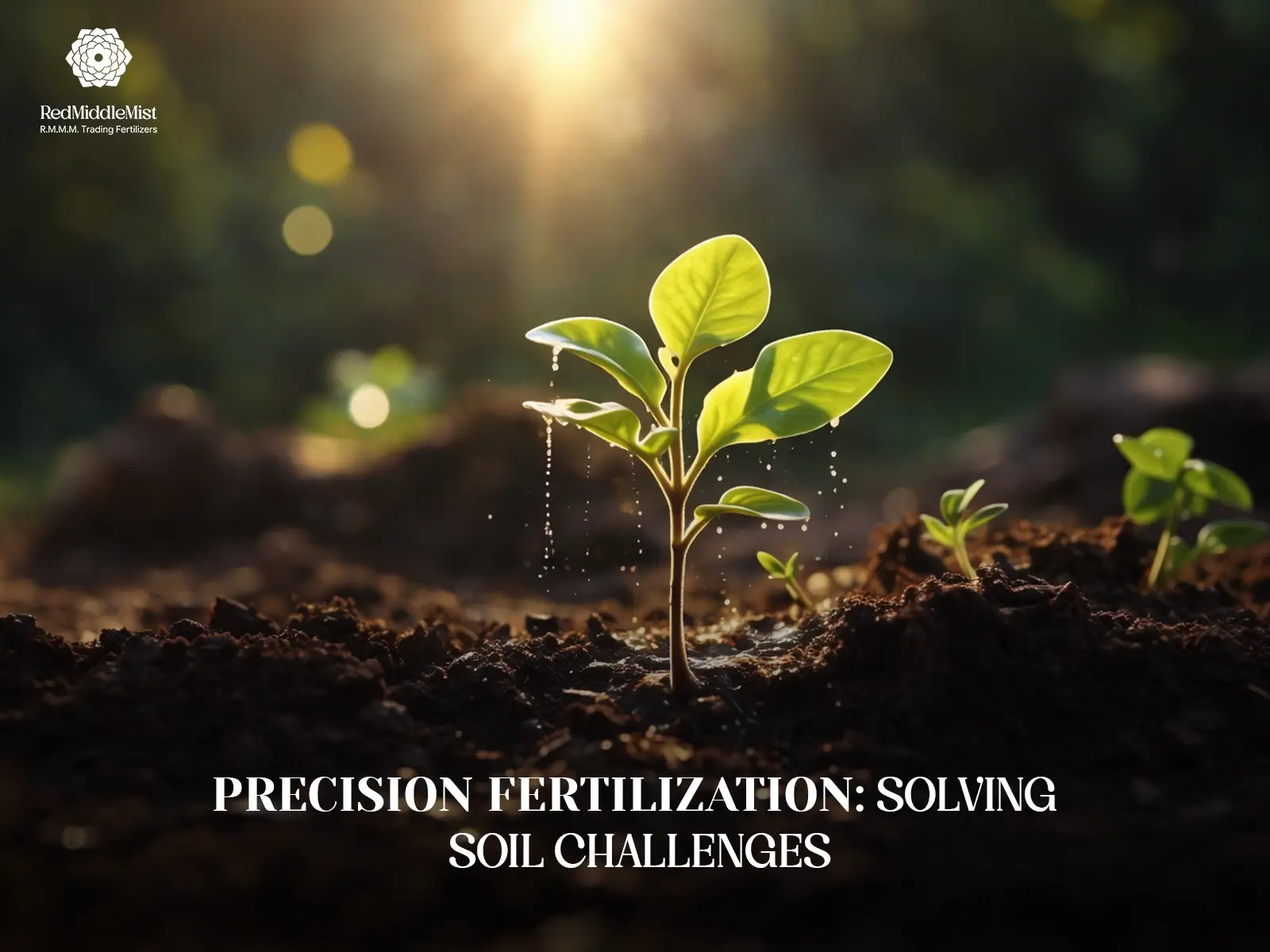
Precision Fertilization: Solving Soil Challenges
The true value of a fertilizer manufacturer lies in its ability to analyze the target market and customize products to meet specific environmental challenges. The “one- size-fits-all” approach is being replaced by “tailor-made” formulations:
- pH Balancing: In alkaline soils (high pH), manufacturers produce fertilizers with high acidity to neutralize the root zone and unlock trapped nutrients. Conversely, for acidic soils, low-acidity fertilizers are provided to ensure long-term environmental sustainability.
- Improving Soil Structure: For hard or compacted soils that struggle with water absorption, the integration of organic matter into the compound fertilizer improves soil porosity and water retention.
- Combatting Salinity: In high-salinity environments, the addition of Calcium and Sulfur is vital. Calcium displaces harmful sodium, while sulfur helps lower soil alkalinity, protecting the roots from salt stress.
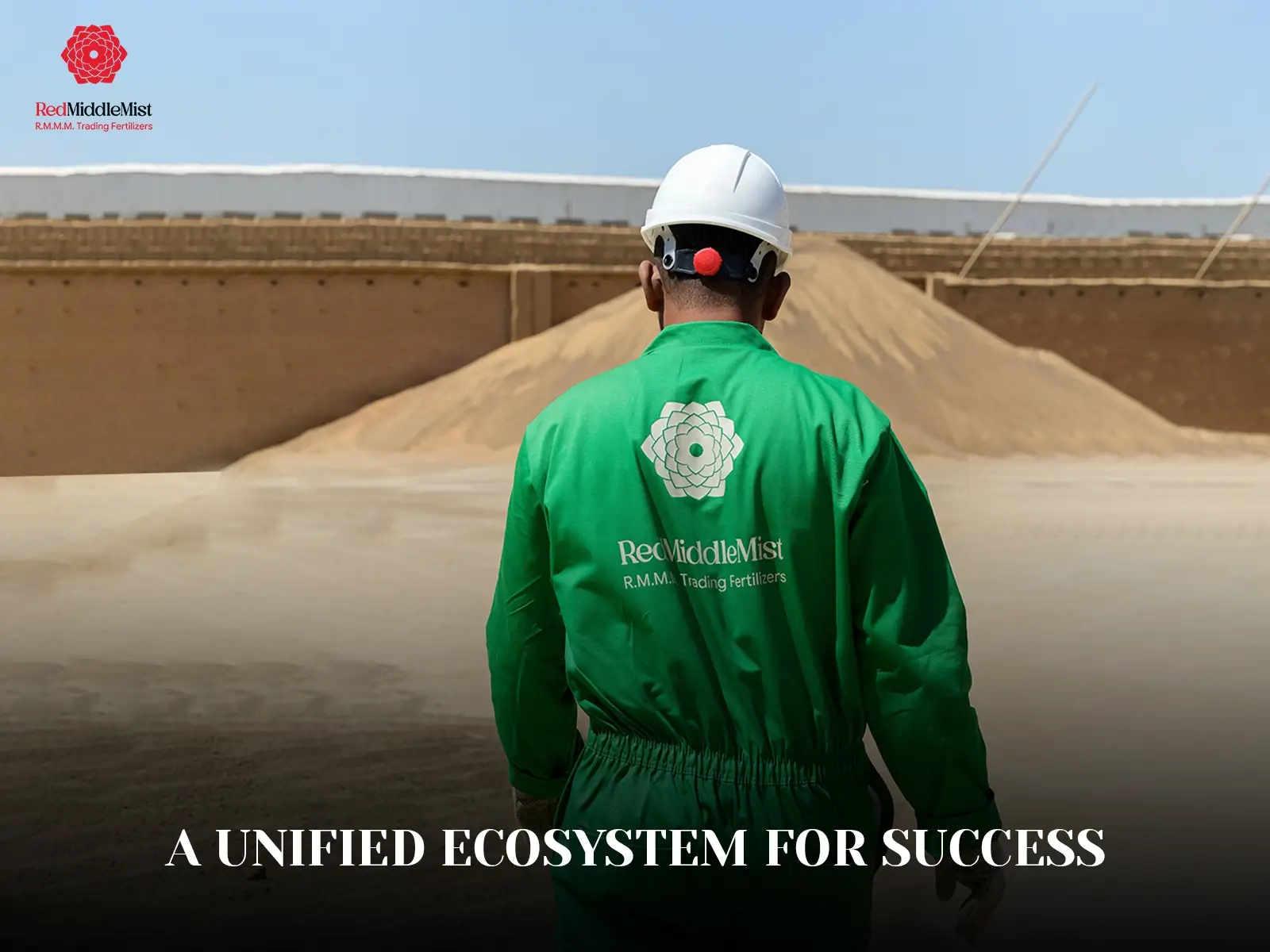
A Unified Ecosystem for Success
The relationship between the manufacturer and the farmer is an inseparable partnership. When a factory understands the specific crops and soil conditions of a region, it evolves from a chemical supplier into a technical partner.
By utilizing non-traditional fertilizers like Urea Superphosphate and customizing them with organic or mineral additives, we can overcome environmental barriers. This integrated system ensures that the farmer achieves the highest return on investment while the manufacturer secures a loyal market through high- performance, sustainable products.
Note: This article was authored by Dr. Mohamed Elsayed Abdelalim, PhD, a specialist in physical chemistry with over 15 years of experience in the fertilizer industry
Available in 50 kg bags, jumbo bags ( with/without palette ), bulk in a container


