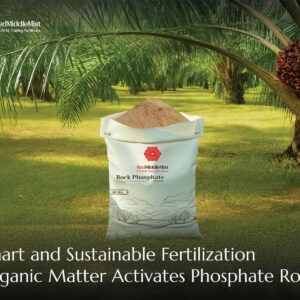
Phosphate rock is a foundational mineral that holds the essential nutrient, Phosphorus (P), which is indispensable for every vital plant process, from photosynthesis to energy transfer (ATP). It is a key element in ensuring global food security.
The Scientific and Agronomic Value of Processed Phosphate Rock
While the majority of phosphate rock is converted into fast-acting chemical fertilizers, the direct application of processed phosphate rock represents a promising agricultural strategy, especially given the rising costs of manufactured fertilizers.
- Sustainable, Controlled Release: Processed phosphate rock functions as a slow-release fertilizer. It gradually liberates phosphorus over several growing seasons. This ensures a stable and continuous supply to the crops, reducing the need for repeated applications and improving nutrient use efficiency.
- Enhanced Efficiency and Reduced Loss: Physical processing, such as fine grinding followed by granulation, increases the rock’s reactive surface area. This processing also makes the fertilizer easier to distribute mechanically in the field and minimizes product loss due to wind drift, ensuring the nutrient reaches the root zone.
- Effectiveness in Acidic Soils: Processed phosphate rock exhibits excellent efficacy in acidic soils (low pH), which are prevalent in tropical and subtropical regions. The soil acidity facilitates the
- dissolution of the rock, effectively releasing the phosphorus for plant uptake.

Pioneering Global Success Stories
Several countries, particularly those with acidic or tropical soils, have demonstrated remarkable success in utilizing processed phosphate rock within their agricultural programs, leading to significant yield increases:
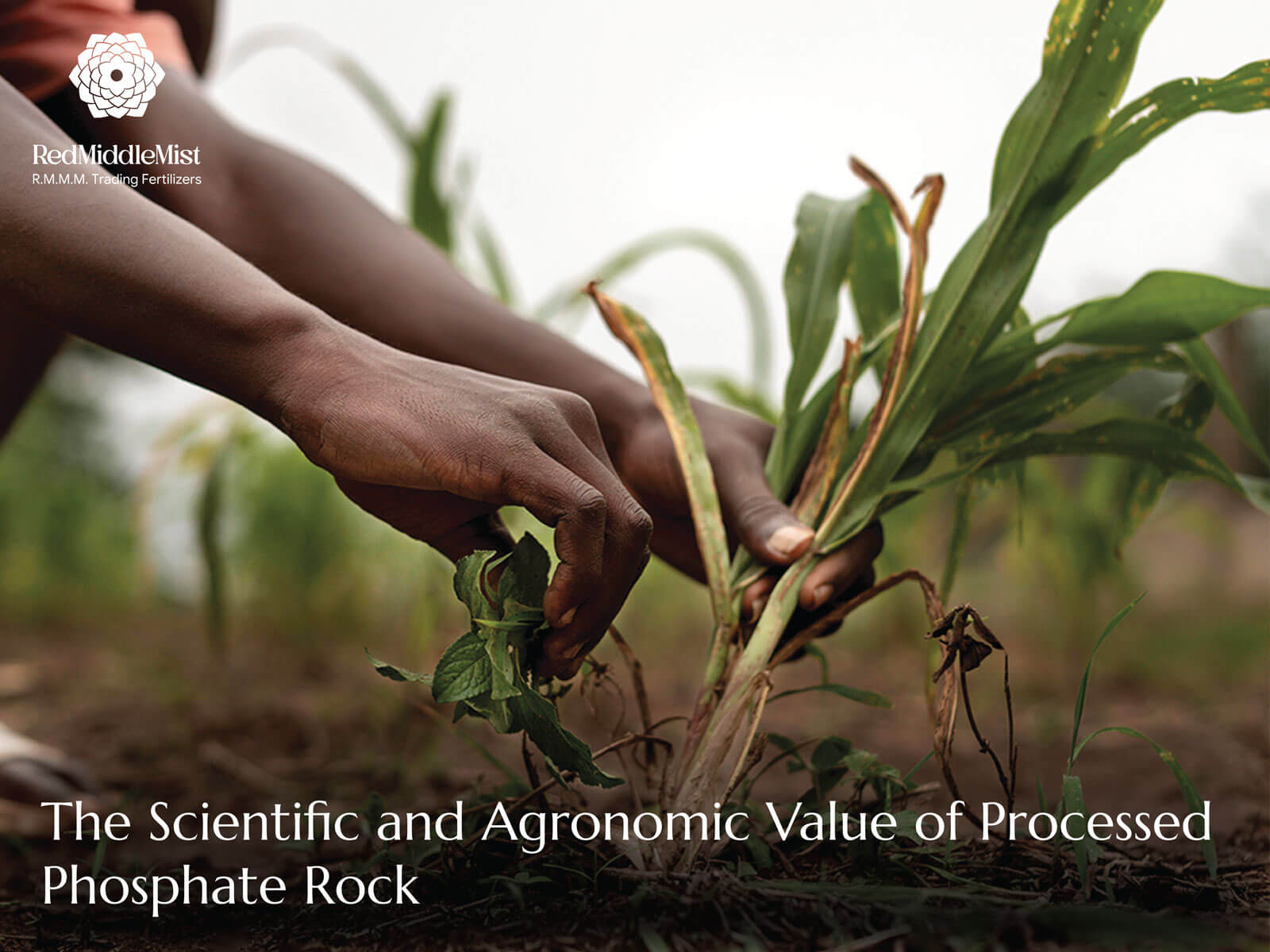
- Kenya and Tanzania: These East African nations have successfully employed processed phosphate rock to boost the productivity of staple crops like maize (corn). Trials have shown substantial increases in yields, reinforcing food security for smallholder farmers.
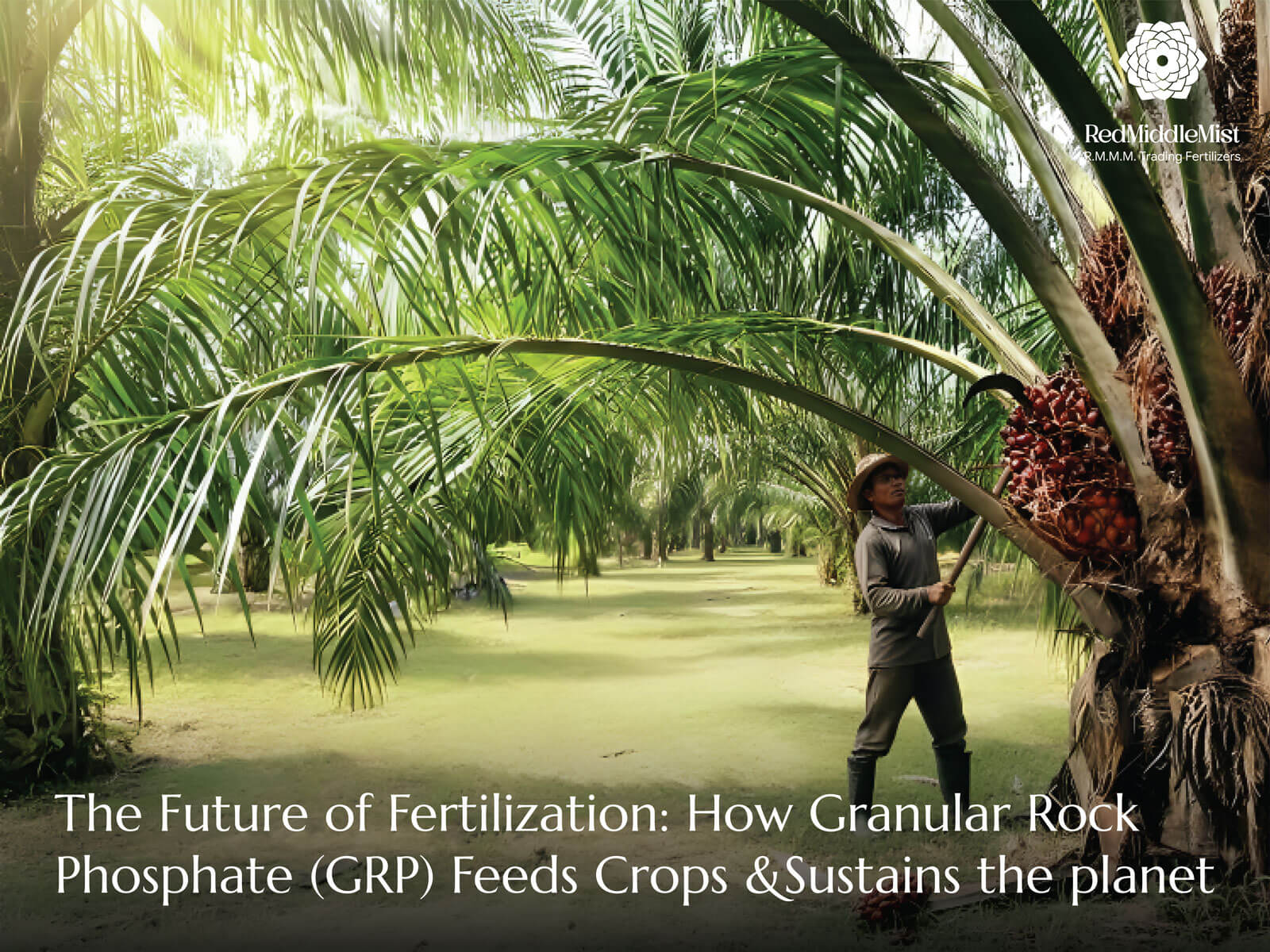
- Indonesia, Malaysia, and Thailand: These countries, characterized by tropical climates, rely on processed phosphate rock to sustain their economically vital crops, including palm oil trees, rubber, and rice. The slow-release nature provides the necessary long-term phosphorus supply for these perennials and annuals.
- New Zealand: New Zealand has successfully utilized processed phosphate rock to enhance pasture growth, a key component of their livestock sector, which requires a continuous and sustained nutrient supply to the soil.
These successes confirm that processed phosphate rock is an economic and sustainable solution that supports the growth of root crops (like potatoes), legumes (where phosphorus is vital for nitrogen fixation), and cereal crops alike.
Conclusion: Towards Greater Efficiency and Environmental Sustainability
Investing in the processing of phosphate rock is an investment in resource efficiency and sustainability. Our company provides advanced solutions in physically processed phosphate rock to ensure the highest levels of agronomic effectiveness. We position our products at the forefront of solutions that support agricultural productivity while maintaining environmental commitment.
Note: This article was authored by Dr. Mohamed Elsayed Abdelalim, PhD, a specialist in physical chemistry with over 15 years of experience in the fertilizer industry